01
Vegetable preparation
Trimming, cutting for even cooking, salting strategies and organising colours and textures on the board.
Vegetarian Cooking
Explore preparation, roasting, sautéing, grilling, legumes, grains, herbs and seasoning strategies for vegetarian meals—culinary education in Aargau, Switzerland.
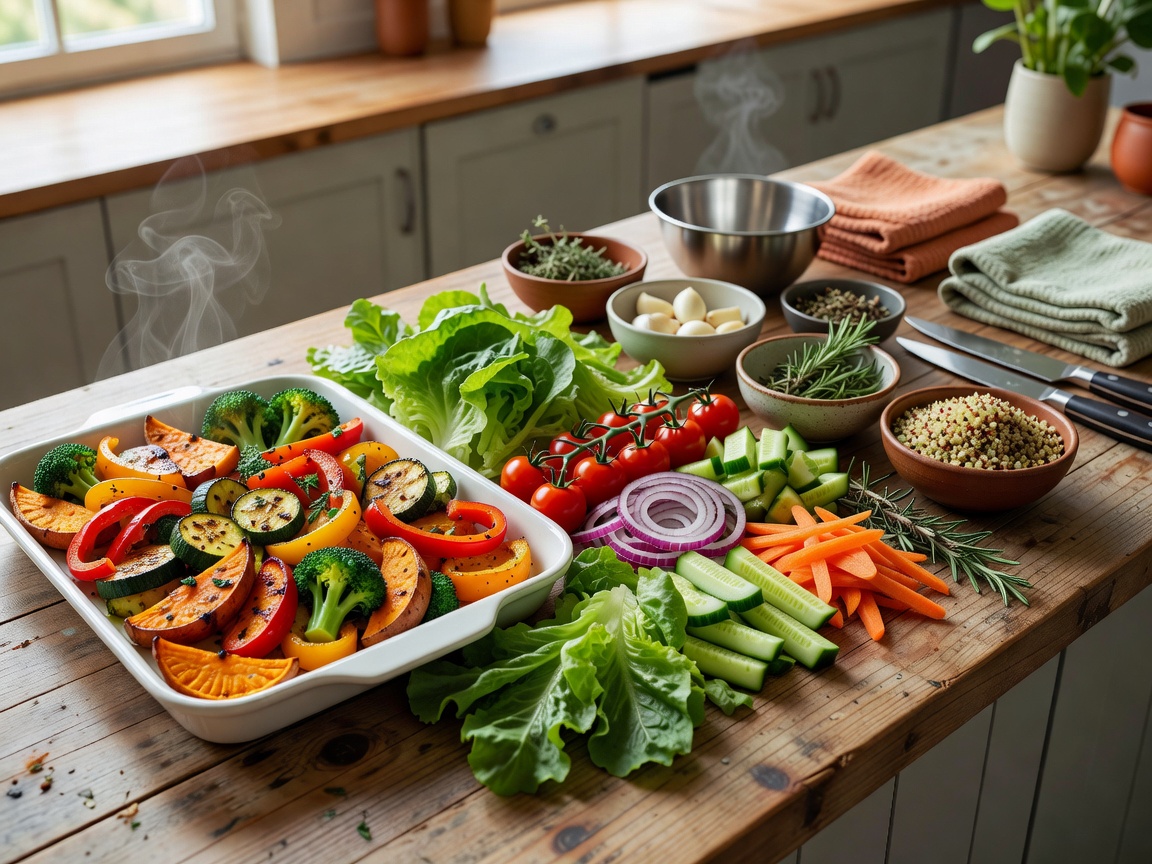
Vegetarian cooking thrives when vegetables are treated as primary ingredients with their own textures and browning potential—not as obligatory sides. This class theme focuses on preparation methods that concentrate flavour: roasting for sweetness and char, sautéing for gloss and aroma, grilling for smoke-kissed edges, and thoughtful combination with legumes and grains for plates that feel complete.
Many cooks under-season plant foods or boil them until waterlogged. Lessons reverse that pattern by teaching surface drying, adequate fat for roasting, spaced trays, and finishing with acids and herbs. You will explore how salt draws moisture at different stages and how a squeeze of citrus or spoon of vinegar brightens earthy roots and beans.
Legumes and grains provide structure and satisfaction. You will practise cooking beans or lentils to creamy or intact textures as needed, seasoning cooking liquids, and turning grains into pilafs, warm salads or chilled bases. Herbs are layered—woody herbs in the oven, delicate leaves at the end—so aroma survives heat.
Building satisfying meals means thinking in contrasts: crisp against soft, rich against bright, warm against cool. A roasted vegetable bowl succeeds when each component is seasoned and when sauces or yoghurt-style dressings unite the plate. No medical or nutrition treatment claims are made; the focus is culinary craft and enjoyment.
In Aargau, Switzerland, seasonal markets offer excellent produce for this style of cooking. Classes help you adapt methods to what looks best that week, reducing dependence on rigid shopping lists and increasing creative confidence in meat-free menus.
What You Can Explore
Trimming, cutting for even cooking, salting strategies and organising colours and textures on the board.
Oven heat, oil coating, spacing, flipping timing and using caramelised edges as flavour anchors.
Pan vegetables with aromatics, managing moisture release and finishing with herbs or degulazing spoonfuls.
Direct heat marks on courgette, peppers or halloumi-style cheeses where appropriate, with marinade or oil brushes.
Cooking beans and lentils, texture targets, seasoning pots and turning legumes into mash, salads or stews.
Rice, farro-style grains or couscous-type products—absorption, toasting grains in fat and fluffing for salads.
Building depth without meat stocks, using umami-friendly ingredients culinary-style, and finishing bright.
Assembling bowls and platters where every element earns its place through texture and seasoning.
Lesson Format
Class structure may vary depending on the selected lesson and individual requirements.
Discuss how roast, grain, legume and sauce elements will share a plate and which textures you want to emphasise.
Cut vegetables for their cooking method, start grains or legumes if they need longer time, and mix dressings.
Load roasting trays correctly, sauté a test batch, or grill slices while adjusting oil and seasoning.
Finish all elements, warm bowls if needed, and dress thoughtfully so leaves or grains are coated lightly, not drowned.
Check salt, acid, fat and herb aroma. Note which components could become batch-prep staples at home.
Root vegetables, brassicas, alliums, mushrooms, leafy greens, tinned or dried legumes, grains, eggs or dairy if included in a particular plan, nuts or seeds for crunch, and pantry acids form a flexible toolkit. Quality olive oil or other suitable fats help browning.
Practical techniques include preheating trays so vegetables sizzle on contact, cutting dense vegetables smaller than watery ones when sharing an oven sheet, and reducing cooking liquids for legume stews until they cling.
Class structure may vary depending on the selected lesson and individual requirements.
Who It May Suit
People who want meat-free meals to feel abundant and carefully cooked.
Cooks preparing mixed tables who need strong vegetarian centrepieces.
Learners who shop seasonally and want methods that adapt to the basket.
Anyone curious about browning, herbs and acids on plant ingredients.
FAQ
The theme is vegetarian cooking education. Vegan-friendly ingredient choices can be discussed when you enquire.
Sessions emphasise grains, legumes, roasting and sauces that create satisfying plates through texture and seasoning—not through health claims.
Related Classes
Share the vegetables and meal styles you enjoy. Based in Aargau, Switzerland.
Send an Enquiry