01
Measuring ingredients
Scales versus cups, levelling flour, room-temperature dairy and eggs, and recording baker’s percentages in simple form.
Baking Fundamentals
Learn why measuring matters, how dough and batter differ, how yeast behaves, and how temperature and timing shape breads, cakes and basic pastry in Aargau, Switzerland.
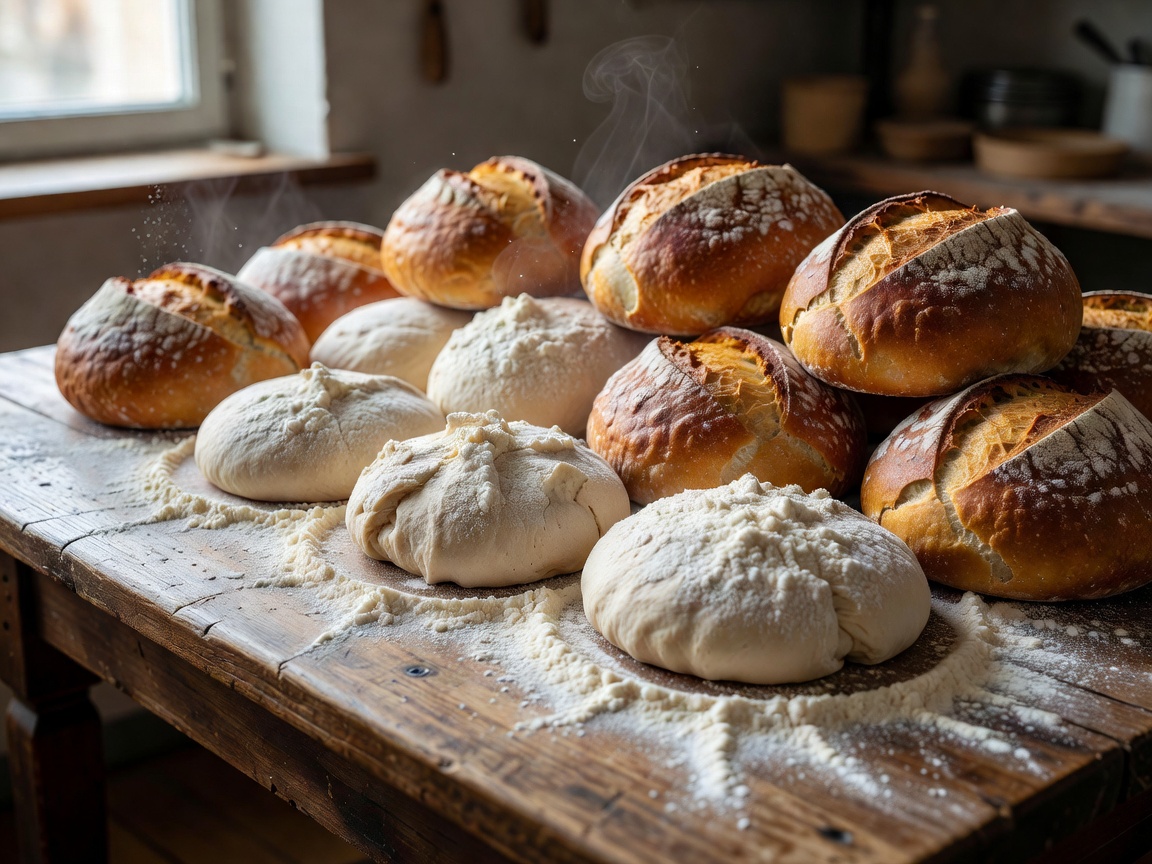
Baking is cooking’s structured cousin: small changes in measurement, temperature or mixing can alter crumb, rise and browning dramatically. Baking Fundamentals with digestjollyfed treats that sensitivity as something to understand rather than fear. You will learn why bakers weigh ingredients when possible, how flour absorbs liquid differently across brands, and how to read dough and batter cues instead of relying only on the clock.
Precision matters because chemical and biological reactions need predictable ratios. Too much flour dries cakes; too little liquid leaves dry pockets in dough; uneven butter temperature changes creaming. Lessons explain the role of gluten development—welcome in bread, limited in tender cakes—and how mixing time controls structure. You practise folding, creaming, whisking and kneading as distinct tools rather than interchangeable stirring.
Yeast introduces living timing. You will explore activation conditions, fermentation windows and what overproofed dough feels and looks like. Oven temperature is framed as an environment you verify, not merely a dial you trust blindly; hot and cool spots, rack position and preheating discipline all influence results. Baking timing pairs visual doneness—colour, spring-back, aroma—with thermometer checks where helpful.
Basic pastry principles cover keeping fats cold for flaky textures, resting dough to relax gluten, and rolling evenly so layers bake consistently. Failures are treated as information: dense crumbs, pale crusts or tunnels in cakes become diagnostic conversations, not reasons to stop baking.
This is educational baking for home ovens in Aargau, Switzerland—not a pastry diploma. The aim is confident repetition: measuring carefully, mixing with intention, and interpreting what you see through the oven door.
What You Can Explore
Scales versus cups, levelling flour, room-temperature dairy and eggs, and recording baker’s percentages in simple form.
Hydration feel, kneading windows, windowpane basics, resting and shaping without tearing strength you just built.
Creaming methods, gentle folding of foams, avoiding overmixing muffins and quick breads, reading batter thickness.
Temperature ranges, feeding dough with time, punch-down decisions and scoring or steaming notes for hearth-style loaves where relevant.
Preheating fully, rack placement, rotating trays, and recognising when recipes assume professional deck ovens versus home boxes.
When to use a whisk, spoon, or hands; incorporating butter; and stopping at the right gluten or aeration stage.
Cold fat, visible pieces for flakiness, resting, docking and blind baking concepts for simple tart shells.
Using colour, aroma, toothpick or temperature cues; cooling on racks; and why cutting too early compresses crumb.
Lesson Format
Class structure may vary depending on the selected lesson and individual requirements.
Outline the bake’s structure—what creates rise, tenderness or chew—and list the precision checkpoints you will watch.
Weigh or carefully measure, bring ingredients to the needed temperature, line tins and set oven racks before mixing begins.
Execute the core method with pauses to assess texture. Adjust flour or liquid only with reasoned observation, not guesswork panic.
Manage fermentation or rest, load the oven correctly, monitor browning and complete any finishing glazes or scores planned for the lesson.
Cool properly, taste crumb and crust, and note environmental factors—kitchen temperature, flour brand—that may change next time.
Unlike a soup you can season endlessly at the end, many baked structures set irreversibly in the oven. Ratios determine whether steam and carbon dioxide inflate a network that then coagulates in place. Precision is kindness to your future self: it makes success repeatable and troubleshooting honest.
Ingredient guidance typically includes wheat flours, leaveners, butter or oils, sugars, eggs, milk or alternatives, salt and optional fillings. You will discuss storing flour dry, checking yeast freshness and handling butter temperature for pastry versus brioche-style enrichment.
Practical techniques include bench scraping, light flour dusting without burying dough, docking pastry, and tenting with foil if colour races ahead of interior set.
Class structure may vary depending on the selected lesson and individual requirements.
Who It May Suit
Home bakers who want fewer random outcomes and clearer process control.
New cooks who enjoy structured methods and tactile learning with dough.
People strong on stovetop cooking who want oven baking demystified.
Those interested in tart shells and flaky textures without advanced laminated pastry careers.
FAQ
Not always. Many fundamentals can be taught by hand. Share available equipment in your enquiry.
Yeast is an important topic, but some lessons may focus on batters, quick breads or pastry principles instead.
No. Baking responds to environment and ingredients. Classes teach observation so you can adjust thoughtfully.
Related Classes
Tell us whether you care more about bread, batters or pastry basics. Aargau, Switzerland.
Send an Enquiry