01
Planning meals
Component menus, shopping alignment and choosing recipes that share techniques to save time.
Meal Preparation
Learn planning, ingredient organisation, batch preparation, storage considerations, efficient workflows and timing multiple components—practical kitchen education in Aargau, Switzerland.
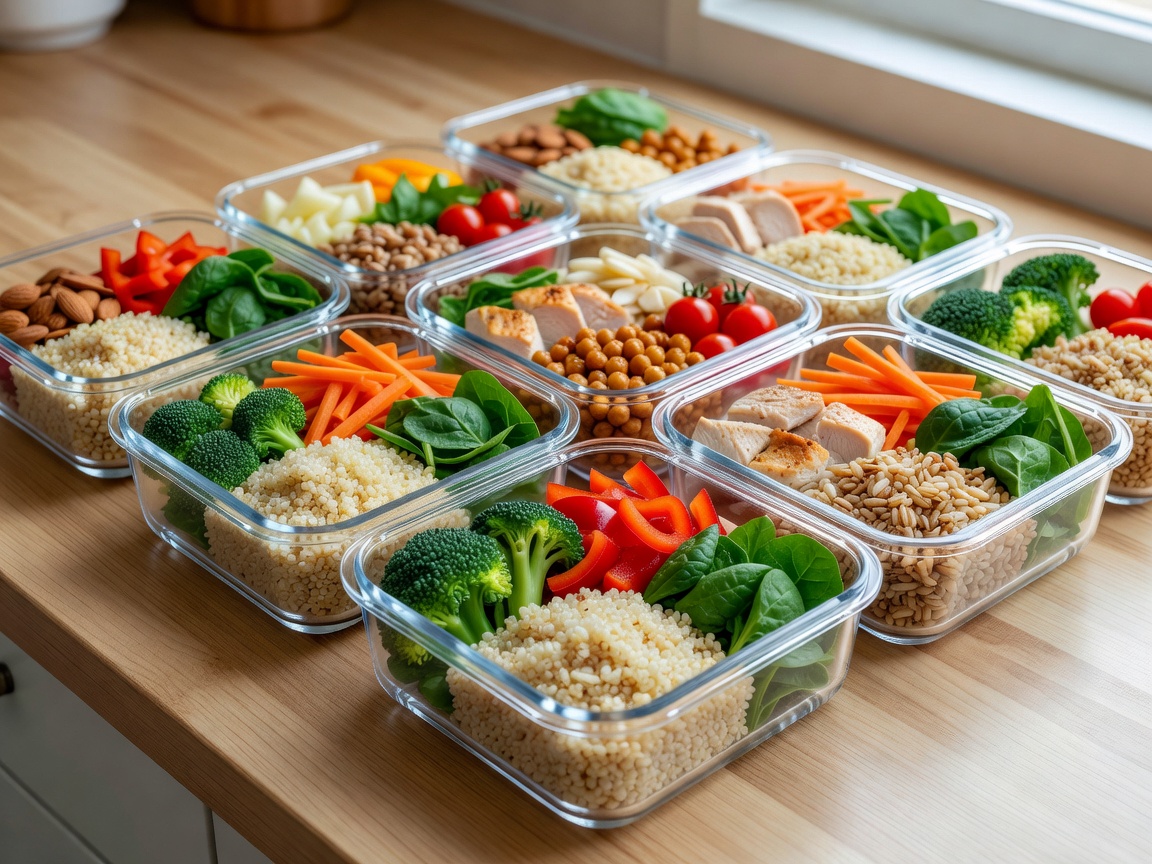
Meal preparation is less about identical boxed lunches and more about designing a kitchen rhythm that reduces decision fatigue. This class theme teaches how to plan a handful of components that recombine into different plates, how to sequence tasks so ovens and burners earn their energy, and how to store food thoughtfully so texture survives until you need it.
Planning meals begins with realistic constraints: time available, equipment, number of diners and how often you can shop. You will practise building a simple matrix of proteins or plant mains, grains, roasted vegetables and sauces, then mapping which items share oven temperature or chopping styles. The aim is fewer redundant washes of the same board and smarter grocery lists.
Organising ingredients—sometimes called mise en place at weekly scale—means washing herbs once, cooking a pot of grains once, and portioning raw items only when that supports safety and quality. Batch preparation techniques show how to roast two trays at once, simmer beans while chopping, and cool foods properly before sealing containers.
Storage considerations cover shallow containers for faster chilling, labelling, keeping crisp items separate from wet dressings, and reheating methods that restore texture rather than steaming everything limp. Efficient workflows emphasise cleaning as you go in short bursts so the end of a session is not an archaeological dig.
Timing multiple components is a core drill: starting long-cook items first, using timers, and writing a quick order of operations. Classes do not make health or nutrition claims; they focus on culinary organisation and the enjoyment of having prepared elements ready for assembly in Aargau home kitchens.
What You Can Explore
Component menus, shopping alignment and choosing recipes that share techniques to save time.
Grouping prep tasks, container strategy and keeping raw and cooked items clearly separated.
Scaling sauces, grains and roasted vegetables without losing quality through overcrowding.
Cooling, sealing, labelling and choosing containers that protect texture and aroma.
Station setup, timed oven use, dishwasher or sink cycles and reducing walking back and forth.
Critical path thinking for multi-dish sessions and buffer steps when something runs long.
Smart shortcuts that preserve flavour—pre-chopped aromatics, dual-purpose sauces, planned leftovers.
Turning components into bowls, plates or packed meals quickly with fresh finishing touches.
Lesson Format
Class structure may vary depending on the selected lesson and individual requirements.
Sketch the component list, cooking order and storage destinations before knives come out.
Wash produce in batches, start long simmer items and preheat ovens while chopping denser vegetables.
Roast and simmer at scale, tasting for seasoning that will still read well after cooling and reheating.
Build two different plates from the same components to show recombination flexibility.
Cool, pack, label and discuss a simple calendar for using items while quality remains high.
Use sheet pans lined for quicker washing, cook grains in seasoned liquid, keep dressings separate, and refresh herbs at serving time. When reheating, add a splash of water or stock to grains and finish vegetables under high heat when possible to restore contrast.
Ingredient guidance favours sturdy produce, cooked legumes, versatile sauces and grains that reheat kindly. Delicate salads are treated as day-of assembly items rather than long storage projects.
Class structure may vary depending on the selected lesson and individual requirements.
Who It May Suit
People who want weeknight assembly rather than full cooking from zero each evening.
Cooks feeding multiple people who need scalable components.
Learners who enjoy systems, lists and efficient motion in the kitchen.
Students who already know techniques and want to deploy them more strategically.
FAQ
No. The focus is culinary workflow and component cooking; containers are tools, not the point.
No. Sessions avoid health and nutrition treatment claims and stay centred on cooking organisation.
Related Classes
Tell us how you currently cook through the week. Aargau, Switzerland.
Send an Enquiry